You are viewing the site in Agent Mode. It shows what an AI agent gets from the web page. You can either push it directly to your chatbot account or copy it locally for revision before pasting it to any AI agent. We added a bit of colour — even though we are not sure all agents will detect it.
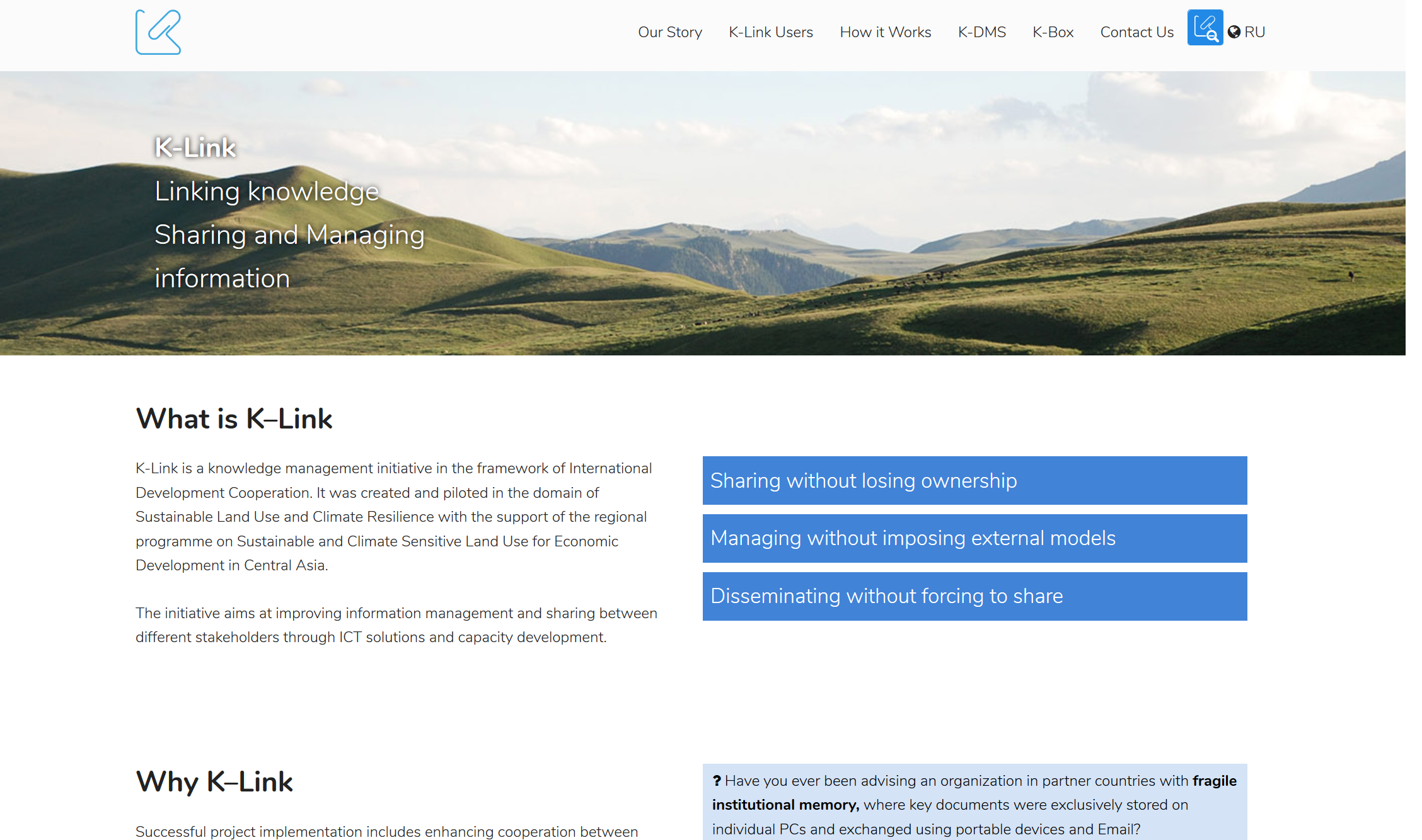
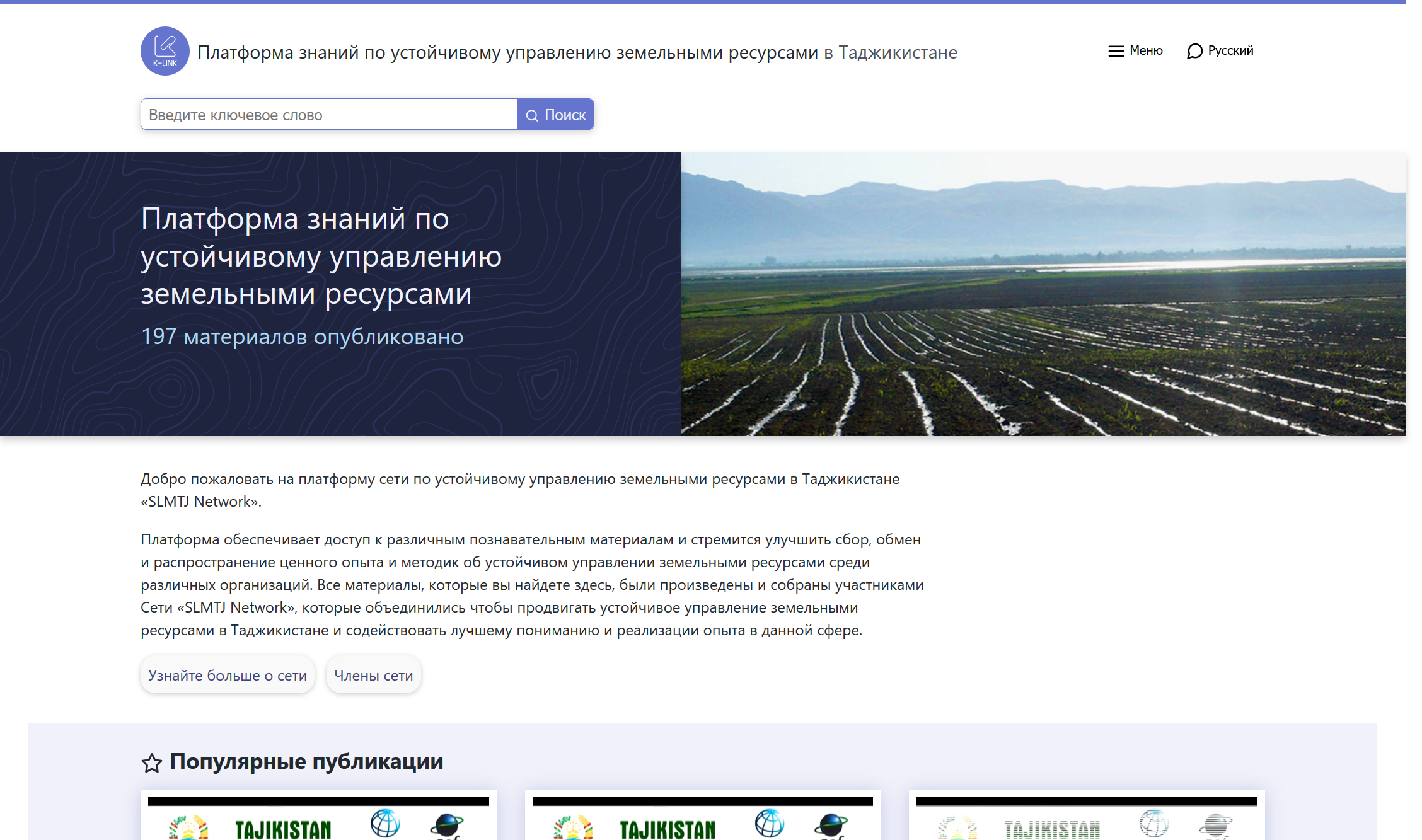
K-Link Asia served as a cornerstone of our organization’s knowledge management strategy, operating as a regional hub that connected over 150 partners dedicated to climate resilience and sustainable development across Central Asia. The network successfully integrated a diverse array of stakeholders—ranging from the 92-member Pasture Network to the Interstate Commission for Sustainable Development—effectively bridging the gap between grassroots community practices, academic research, and regional policy.
Spanning Kazakhstan, Kyrgyzstan, Tajikistan, Turkmenistan, and Uzbekistan, the initiative mobilized an unprecedented digital infrastructure of over 16,000 resources, including thousands of multimedia assets produced directly by local communities. Today, this project remains a landmark in our corporate history, demonstrating how a distributed, transnational ecosystem can achieve large-scale impact through the collective generation and exchange of knowledge.
---
title: 'About K-Link | OneOffTech'
description: 'The history and origins of K-Link, built through a joint effort for organizations in Central Asia.'
---
# About K-Link
About
Regional knowledge network
K-Link Asia served as a cornerstone of our organization’s knowledge management strategy, operating as a regional hub that connected over 150 partners dedicated to climate resilience and sustainable development across Central Asia. The network successfully integrated a diverse array of stakeholders—ranging from the 92-member Pasture Network to the Interstate Commission for Sustainable Development—effectively bridging the gap between grassroots community practices, academic research, and regional policy.
Spanning Kazakhstan, Kyrgyzstan, Tajikistan, Turkmenistan, and Uzbekistan, the initiative mobilized an unprecedented digital infrastructure of over 16,000 resources, including thousands of multimedia assets produced directly by local communities. Today, this project remains a landmark in our corporate history, demonstrating how a distributed, transnational ecosystem can achieve large-scale impact through the collective generation and exchange of knowledge.